How to Import Kiddie Rides: A Buyer Checklist from Quotation to Installation
Importing commercial kiddie rides requires more than choosing a product and arranging freight. Buyers should confirm product specifications, customization, packing, shipping documents, local import requirements, installation preparation and after-sales support before the equipment leaves the supplier.
- 1. Prepare the Project Information Before Requesting a Quotation
- Confirm the Venue Type
- Confirm Available Space
- Define the Equipment Category
- 2. Make Sure the Quotation Contains Enough Information
- 3. Confirm the Final Order Details Before Payment
- Product Model and Quantity
- Colors and Branding
- Final Drawings or Visual Confirmation
- Testing and Inspection
- Packing and Shipping Marks
- 4. Prepare for Shipping and Customs Clearance
- Confirm the Shipping Method
- Confirm Cargo Information
- Confirm Shipping Documents
- Confirm Customs Classification
- Confirm Duties, Taxes and Local Charges
- Confirm Local Compliance Requirements
- 5. Prepare the Venue Before the Equipment Arrives
- Check Delivery Access
- Prepare the Installation Area
- Confirm Power Preparation
- Prepare Installation Personnel
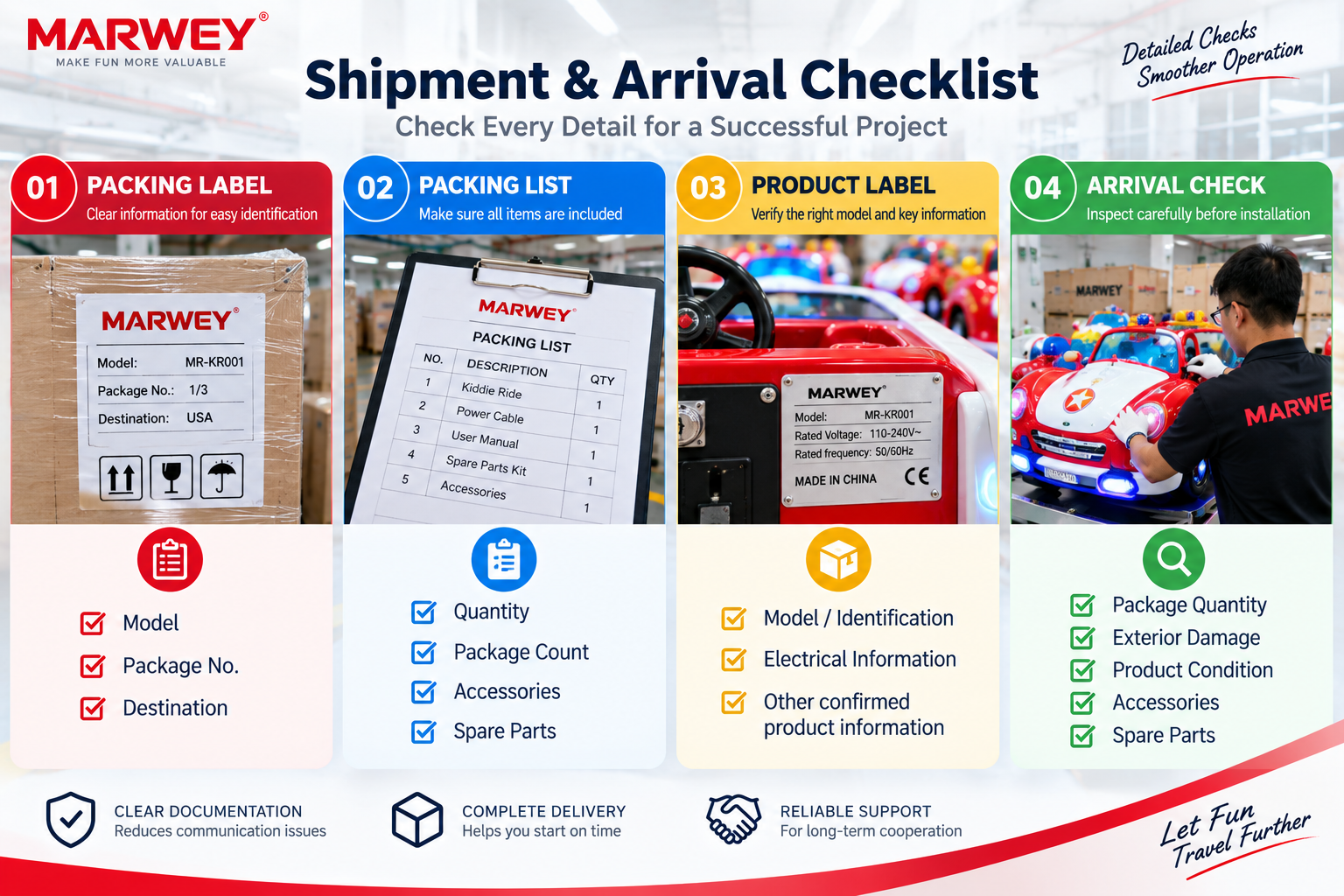
- 6. Inspect the Shipment When It Arrives
- Check Package Quantity
- Inspect the Exterior Packaging
- Check the Equipment Condition
- Verify Product Identification
- Check Accessories and Spare Parts
- 7. Complete Installation and Trial Operation
- Position the Equipment
- Complete Required Connections
- Perform a Trial Run
- Record Problems Before Opening
- 8. Build the After-Sales Process Before You Need It
- Confirm the Warranty Starting Point
- Organize Spare Parts
- Confirm Remote Support Procedures
- Keep the Documents Together
- 9. Use a Complete Import Checklist
- FAQ
- What should be included in a kiddie ride quotation?
- How do I prepare for installation?
- Do all kiddie rides use the same HS Code?
- How can I reduce problems after the shipment arrives?
- Plan the Import Process Before the Equipment Ships
Importing commercial kiddie rides involves several connected decisions. Choosing the equipment is only the beginning. Buyers also need to confirm product specifications, customization requirements, packing, shipping preparation, import documentation, installation conditions and after-sales support.
For overseas distributors, amusement venue investors, shopping mall projects and first-time import buyers, missing one important detail before shipment can create additional work after the equipment arrives.
When planning to import kiddie rides from China, the most practical approach is to treat the purchase as a complete project from quotation to installation rather than as a simple product order.
1. Prepare the Project Information Before Requesting a Quotation
A useful quotation starts with clear project information.
Before contacting a supplier, prepare the basic details of your venue and purchasing plan.
These should include:
- Destination country or market
- Venue type
- Available installation area
- Equipment category
- Expected quantity
- Target delivery schedule
- Budget range
- Customization requirements
The supplier does not need every final detail at the first stage, but clearer project information makes it easier to recommend suitable equipment and prepare a more complete quotation.
Start with the complete product catalog and shortlist models before asking for shipping details.
Confirm the Venue Type
A shopping mall kids zone, FEC, indoor playground, hotel, restaurant or amusement park may require different equipment combinations.
The venue type also affects how the equipment will be positioned, operated and maintained.
Confirm Available Space
Do not choose equipment based only on product photos.
Record the usable floor area, access points, ceiling height where relevant, door dimensions and any limitations that could affect delivery or installation.
Define the Equipment Category
Decide whether the project needs compact coin operated rides, carousel rides, kiddie train rides or a combination of different equipment types.
This gives the supplier a clearer basis for product selection and shipping preparation.
2. Make Sure the Quotation Contains Enough Information
A quotation should allow the buyer to understand exactly what is being ordered.
Do not compare quotations only by the final price.
For compact commercial projects, compare coin operated kiddie rides as a starting equipment category.
For every shortlisted model, request the relevant product information.
A useful quotation checklist includes:
| Quotation Item | What the Buyer Should Confirm |
|---|---|
| Product Model | Exact model or product reference |
| Quantity | Number of units being ordered |
| Product Dimensions | Dimensions of the selected model |
| Product Weight | Confirmed weight where available |
| Power Requirements | Voltage, frequency and other applicable requirements |
| Customization | Color, logo, theme or other confirmed changes |
| Packing Method | Carton, wooden case or other actual packing method |
| Packing Dimensions | Confirmed package dimensions when available |
| Spare Parts | Included or recommended spare parts |
| Installation Information | Requirements relevant to the selected equipment |
| Trade Terms | Terms stated in the quotation |
| Documents | Documents the supplier will provide |
Specifications should be confirmed for the actual model being ordered. Do not assume that dimensions, weight or power information from one machine applies to another product.
3. Confirm the Final Order Details Before Payment
Before payment or production approval, the buyer and supplier should have the same understanding of the final order.
This is particularly important when the equipment includes customized colors, logos or other design changes.
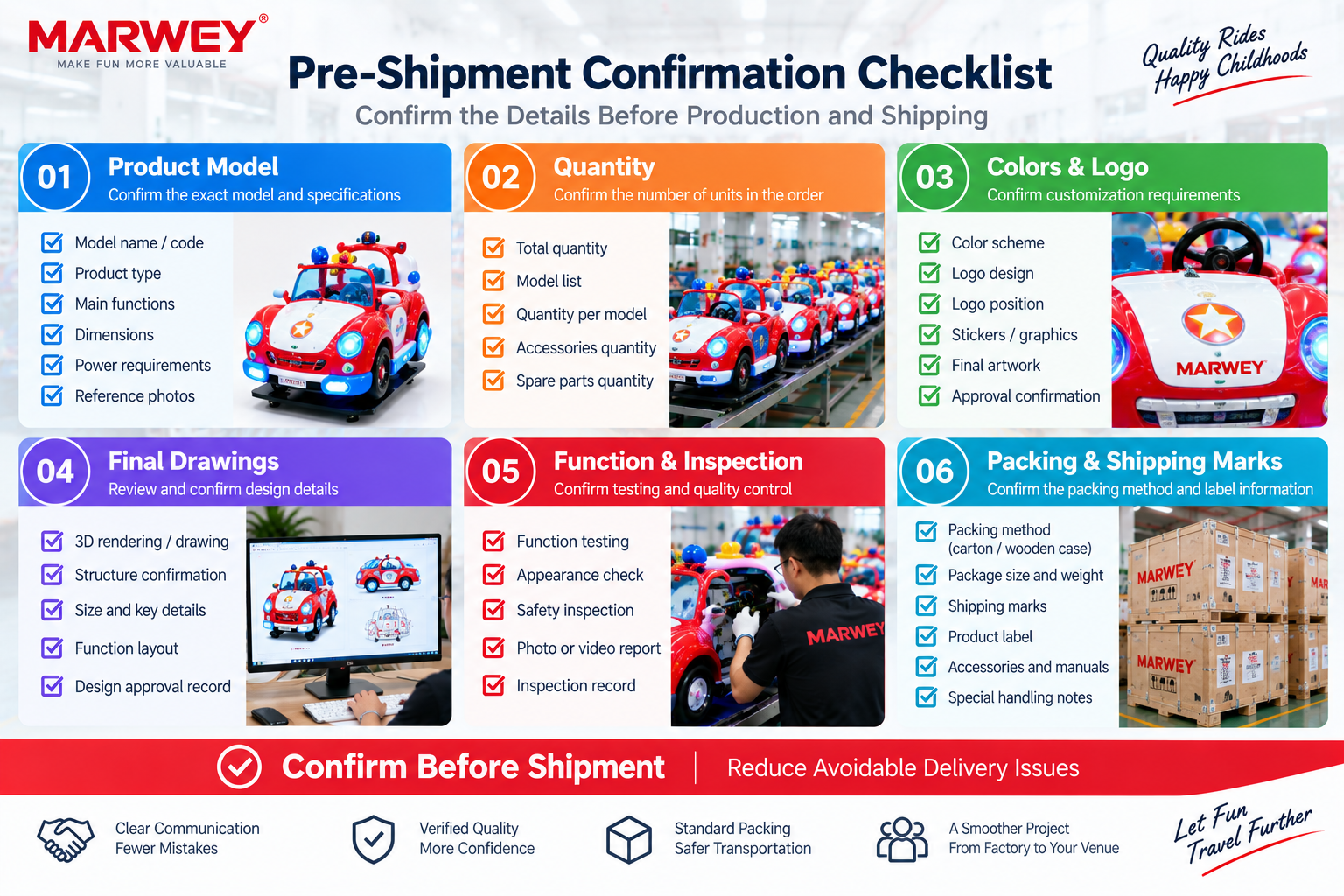
Product Model and Quantity
Confirm the final product list and quantity in writing.
The product references in the quotation, invoice and production information should be consistent.
Colors and Branding
If custom colors or branding are required, confirm them before production.
For logo customization, check the final artwork, position, size and application method.
Do not rely only on informal messages or verbal descriptions.
Final Drawings or Visual Confirmation
For projects involving customization, review the relevant drawings, renderings or other confirmation materials before production approval.
If a detail is important to the final equipment, it should be included in the written confirmation process.
Testing and Inspection
Ask what checks will be completed before shipment and what evidence can be provided for the selected products.
Inspection requirements should relate to the actual equipment rather than general claims about product quality.
Packing and Shipping Marks
Confirm the packing method and any required shipping marks before the goods are prepared for dispatch.
Clear labels can make it easier to identify packages during receiving and installation.
4. Prepare for Shipping and Customs Clearance
Shipping should be planned before production is completed.
The buyer should discuss the shipment with the supplier and freight forwarder so that packing information, transport arrangements and required documents can be prepared in advance.
Confirm the Shipping Method
Ask your freight forwarder which transport method is appropriate for the shipment based on destination, cargo volume, project schedule and local requirements.
The actual freight option and cost should be confirmed for the specific shipment rather than estimated from another project.
Confirm Cargo Information
Request the confirmed packing information needed for freight planning.
Depending on the shipment, this may include:
- Number of packages
- Package dimensions
- Gross weight
- Net weight where applicable
- Packing type
- Loading information
Use the final supplier data rather than early estimates when booking transport.
Confirm Shipping Documents
Ask the supplier and freight forwarder which documents are required for the shipment and destination market.
The required document set may vary by transaction and country, so buyers should verify the exact requirements for their project.
Confirm Customs Classification
Do not assume a universal HS Code for every kiddie ride.
Product classification can depend on the actual equipment and local customs interpretation.
Ask the supplier for available product information, then confirm the appropriate classification with your freight forwarder, customs broker or local customs adviser.
Confirm Duties, Taxes and Local Charges
Import duties, taxes, port charges and other local costs vary by destination and transaction.
These should be checked with the relevant local professionals before shipment.
A supplier quotation should not be treated as confirmation of every destination-country import cost.
Confirm Local Compliance Requirements
Before importing equipment, buyers should determine whether the destination market requires specific technical documents, labeling, inspections or other compliance steps.
Requirements should be checked for the exact product model and destination market.
5. Prepare the Venue Before the Equipment Arrives
Installation planning should begin before delivery.
Waiting until the equipment reaches the venue can create unnecessary delays if access, power or floor conditions have not been prepared.
Confirm the installation and delivery support available for your selected project.
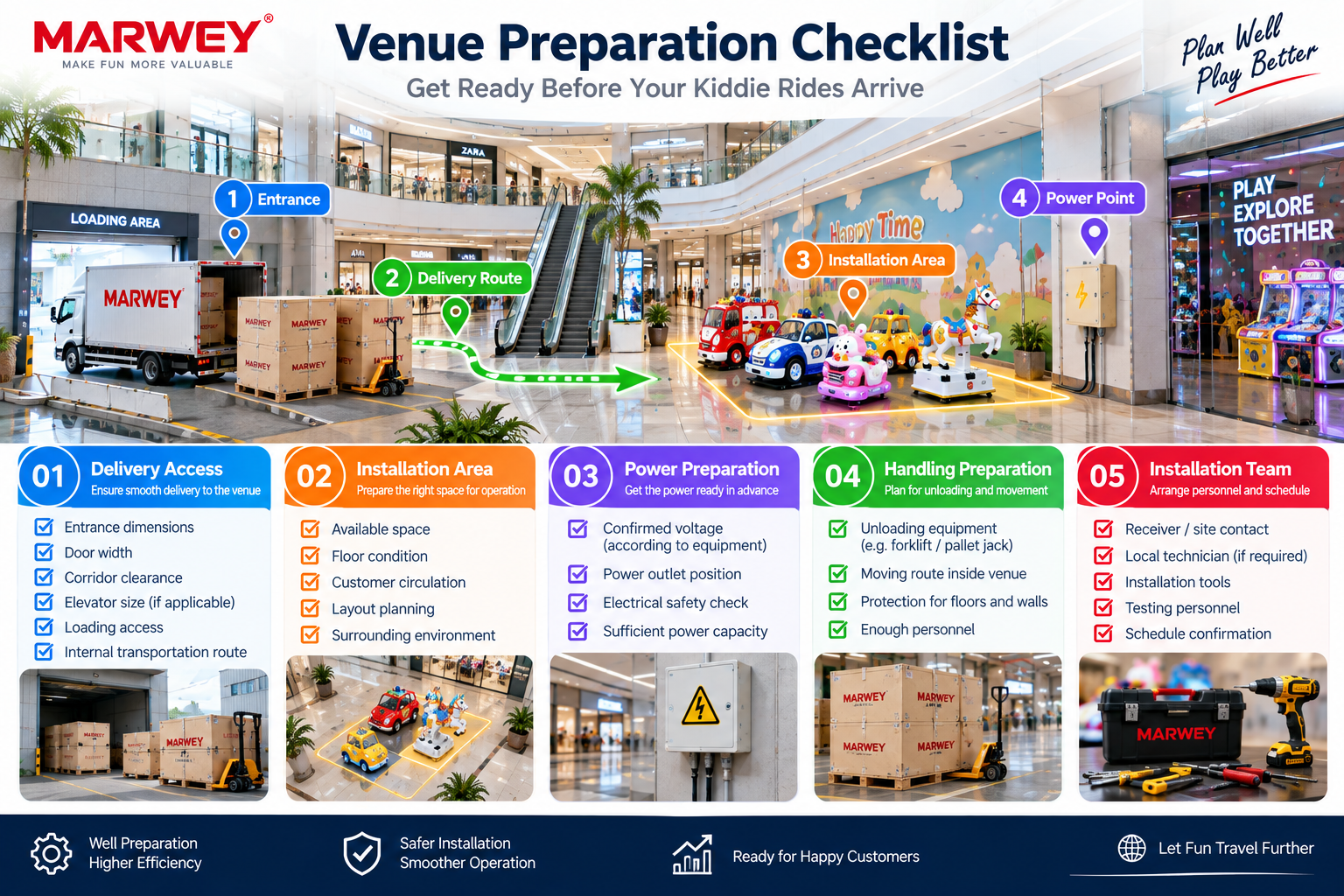
Check Delivery Access
Confirm that the equipment or its packaging can move from the unloading point to the installation area.
Check:
- Entrance dimensions
- Door width
- Elevator size where applicable
- Corridors
- Stairs
- Loading access
- Internal transportation route
The packed equipment may be larger than expected from product photos, so use confirmed package dimensions when planning access.
Prepare the Installation Area
The installation area should be checked against the selected equipment requirements.
Confirm the floor condition, available space, nearby customer circulation and any operating clearance needed for the actual machine.
Confirm Power Preparation
Use the confirmed electrical requirements for the selected product.
Do not prepare the venue based on assumptions from another machine or market.
Prepare Installation Personnel
Clarify who will unload, move, assemble, install and test the equipment.
If local technicians are required, make arrangements before delivery.
6. Inspect the Shipment When It Arrives
Do not move directly from unloading to operation.
Start with a structured receiving inspection.
Check Package Quantity
Compare the number of received packages with the shipping and packing information.
Record any obvious discrepancy before installation begins.
Inspect the Exterior Packaging
Check cartons, wooden cases or other packaging for visible signs of transport damage.
Take photos before unpacking if damage is visible.
Check the Equipment Condition
After unpacking, inspect the equipment for visible damage or missing components.
Where appropriate, document the condition with photos or video.
Verify Product Identification
Check the model, product label or other identification information against the order documents.
Check Accessories and Spare Parts
Confirm whether the accessories and spare parts listed for the order have been received.
Keeping a receiving record makes later communication much easier if anything needs to be clarified.
7. Complete Installation and Trial Operation
After receiving inspection, the equipment can move into the installation and commissioning stage.
Follow the installation information applicable to the actual product.
Position the Equipment
Install the ride according to the approved venue layout and equipment requirements.
Do not block customer circulation, emergency access or other areas that must remain clear.
Complete Required Connections
Electrical or other connections should follow the confirmed product requirements and applicable local practices.
Where qualified technicians are required, use appropriate local personnel.
Perform a Trial Run
Before normal customer operation, complete the necessary functional checks for the equipment.
Check that the main operating functions work as expected and that there are no obvious issues caused by shipping or installation.
Record Problems Before Opening
If a problem appears during unpacking, installation or trial operation, document it clearly.
Useful information can include:
- Product model
- Serial or identification information where applicable
- Description of the issue
- Photos
- Video
- Relevant operating conditions
Clear information helps the supplier understand the issue more efficiently.
8. Build the After-Sales Process Before You Need It
After-sales support should not begin only when something fails.
Before the equipment enters regular operation, buyers should understand how future technical communication will work.
Confirm the Warranty Starting Point
Ask how the warranty terms for the specific order are documented and when the applicable warranty period begins.
Do not assume a fixed warranty period unless it has been confirmed for the actual order.
Organize Spare Parts
Record the spare parts supplied with the equipment and how additional parts can be identified.
For operators with multiple machines, a simple spare-parts record can reduce confusion later.
Confirm Remote Support Procedures
Ask what information should be sent when requesting technical support.
Providing the machine model, clear photos, videos and a detailed problem description can help avoid unnecessary back-and-forth communication.
Keep the Documents Together
Create one project folder containing:
- Quotation
- Invoice and order information
- Product specifications
- Approved customization information
- Packing information
- Shipping documents
- Product labels or identification records
- Installation information
- Spare-parts list
- Warranty information
- Supplier contact details
Keeping these records together makes future maintenance, parts ordering and repeat purchases easier.
9. Use a Complete Import Checklist
Before the project moves to the next stage, review the key information again.
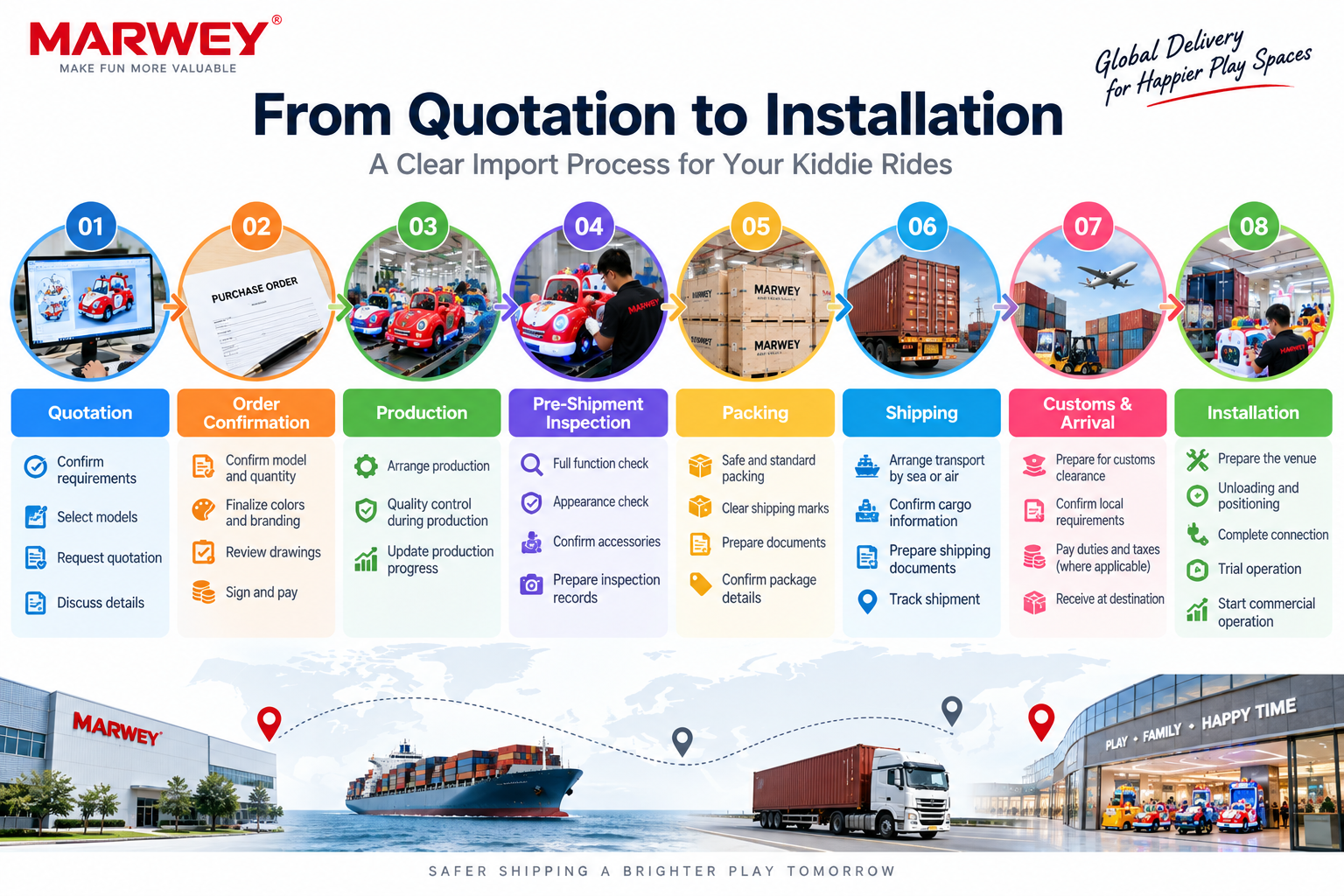
| Project Stage | Buyer Checklist |
|---|---|
| Before Quotation | Destination, venue, space, quantity, equipment type and customization prepared |
| Quotation | Model, dimensions, weight, power, packing, spare parts, trade terms and documents checked |
| Before Payment | Final model, quantity, colors, logo, drawings and customization confirmed |
| Before Shipment | Inspection, packing, shipping marks and cargo information confirmed |
| Shipping | Freight method, insurance and required documents checked with freight forwarder |
| Customs | Classification, duties, taxes and local requirements checked with appropriate local advisers |
| Before Arrival | Delivery access, installation area and power preparation checked |
| Arrival | Package quantity, transport damage, equipment and accessories inspected |
| Installation | Equipment positioned, connected and trial operated |
| After-Sales | Warranty terms, spare parts and support process recorded |
This checklist should be adjusted to the specific equipment, destination country and project requirements.
FAQ
What should be included in a kiddie ride quotation?
A commercial quotation should identify the product model, quantity and price, and should provide enough supporting information for the buyer to understand the selected equipment.
Depending on the project, buyers may also need confirmed dimensions, weight, power requirements, customization details, packing information, spare parts, trade terms and available documentation.
The exact information should be confirmed for the actual model rather than assumed from general product information.
How do I prepare for installation?
Start with the confirmed dimensions, package size, power requirements and installation information for the selected equipment.
Before delivery, check unloading access, doorways, elevators or corridors where applicable, the final installation area, floor conditions and available power.
Also decide who will receive, move, install and test the equipment when it arrives.
Do all kiddie rides use the same HS Code?
Buyers should not assume that one classification applies to every product or every destination.
Provide the exact product information to your freight forwarder, customs broker or local customs adviser and ask them to confirm the appropriate classification for the shipment.
How can I reduce problems after the shipment arrives?
Confirm as much information as possible before production and shipment.
Clear product specifications, approved customization, packing records, shipping documents, arrival inspection and an organized after-sales contact process can make it easier to identify and resolve issues.
Plan the Import Process Before the Equipment Ships
A successful kiddie ride import project depends on coordination between product selection, supplier confirmation, shipping, customs preparation, installation and after-sales support.
The safest approach is not to leave these decisions until the equipment is already in transit.
Confirm each stage with the relevant party: product information with the supplier, freight arrangements with the freight forwarder, import requirements with local customs or compliance professionals, and installation conditions with the venue team.
Send your destination country, venue type, selected models and quantities to request a project quotation.
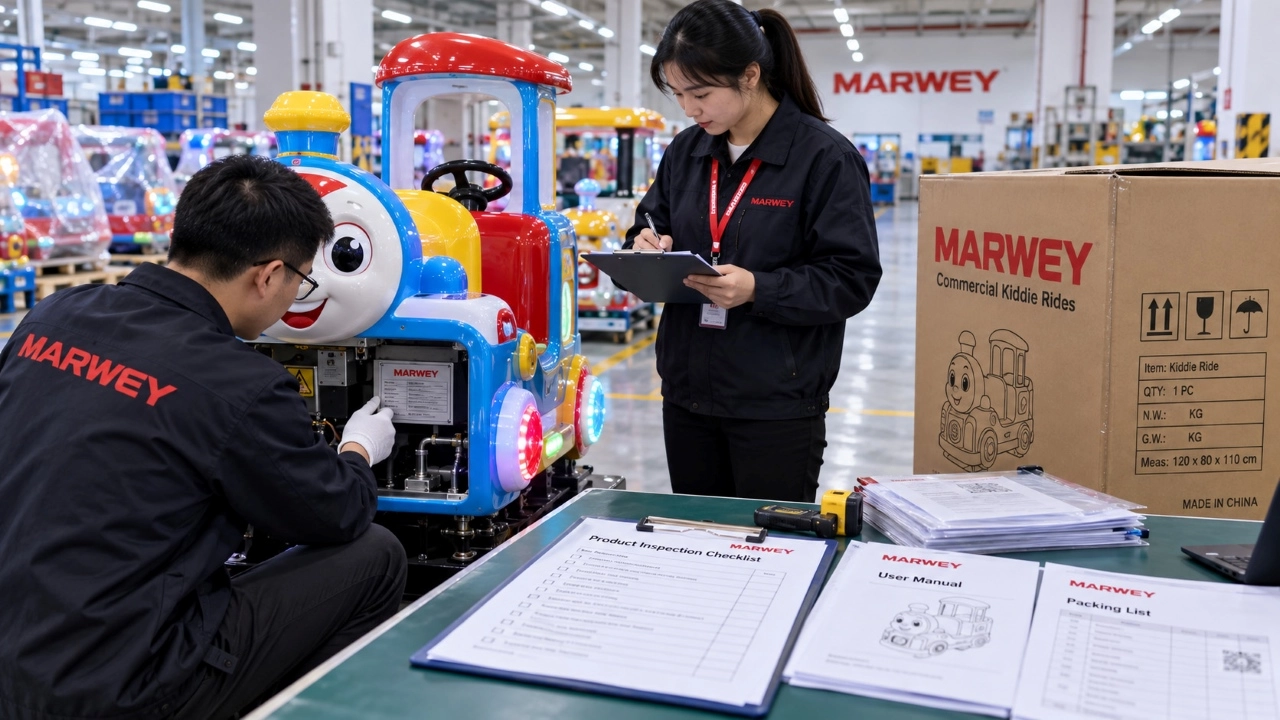
What Safety and Quality Documents Should You Request for Commercial Kiddie Rides?
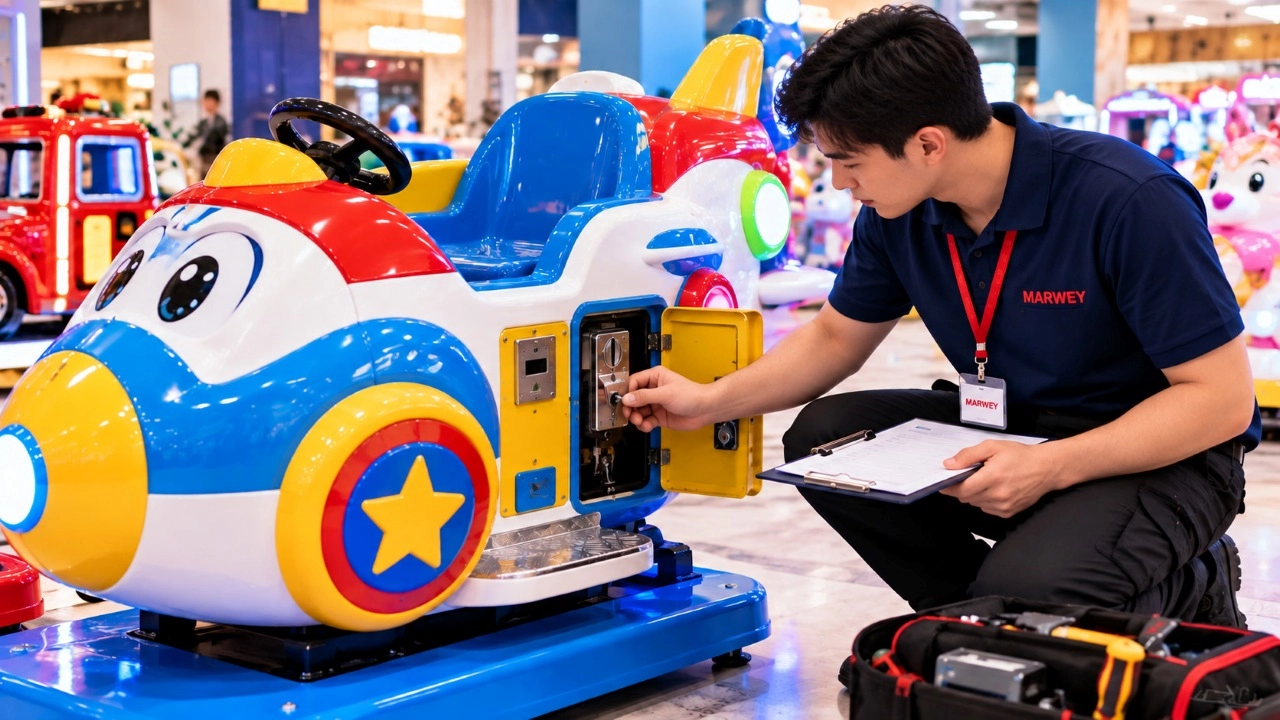
Kiddie Ride Maintenance Checklist for Daily Commercial Operation
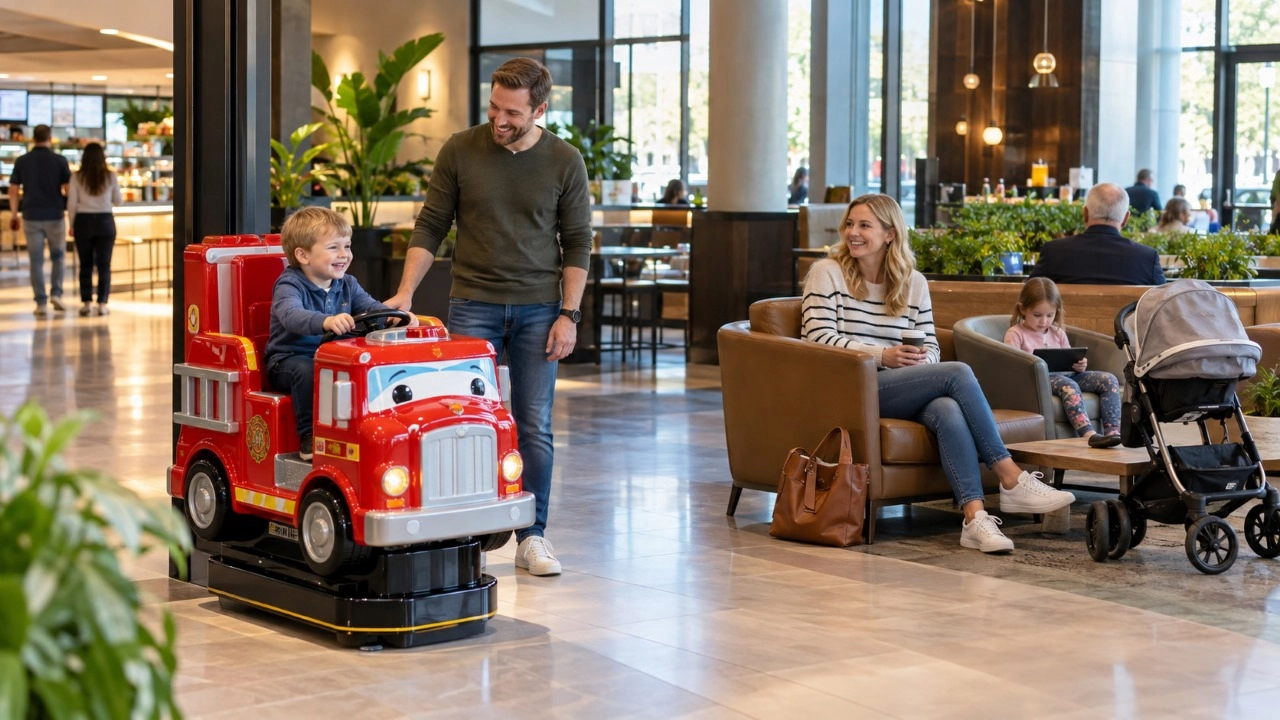
How to Plan a Kiddie Ride Area for a Supermarket, Hotel or Family Restaurant
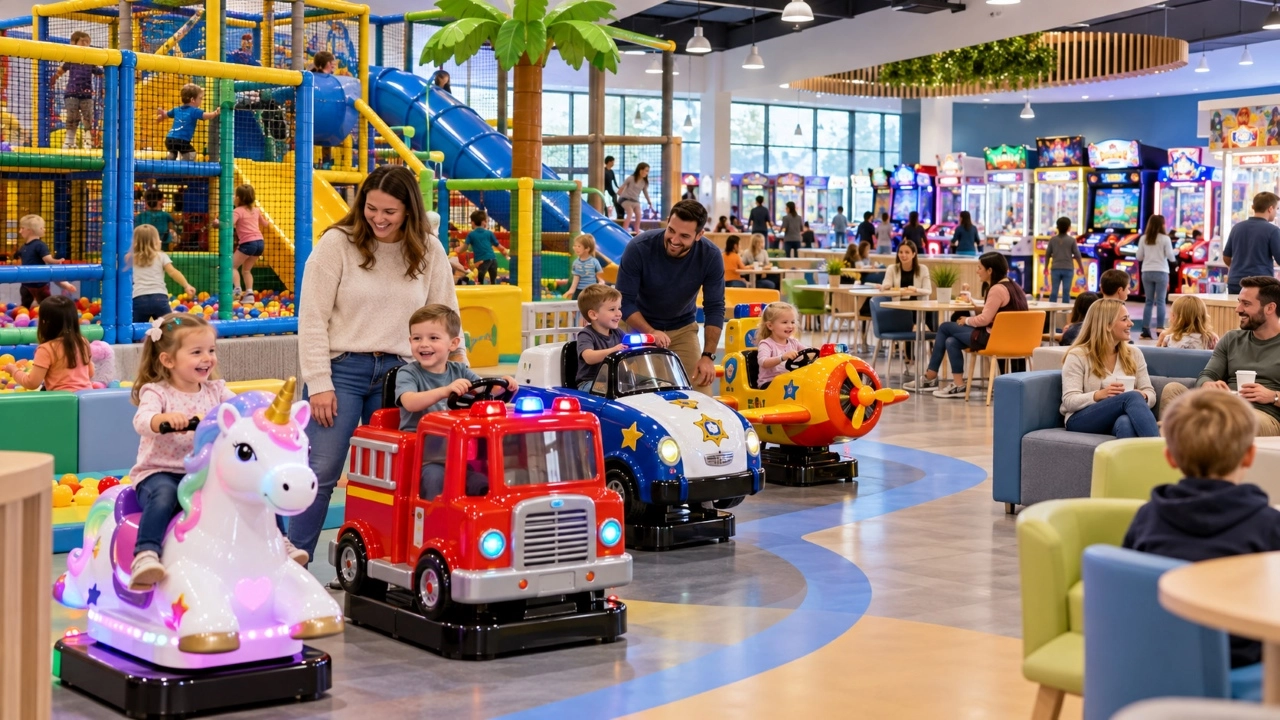
Best Kiddie Rides for Indoor Playgrounds and Family Entertainment Centers
FAQ
Do you support OEM & ODM for custom kiddie rides? 🔥
Yes, we are a professional OEM & ODM kiddie rides manufacturer. We support custom design, branding, colors, and themes to help you stand out in your market.
What is the price of kiddie rides?
The price of kiddie rides depends on the model, size, and customization requirements. Our coin operated kiddie rides are competitively priced for global markets. Contact us to get the latest price list and quotation.
What certifications do your kiddie rides have?
All our kiddie rides are manufactured under strict quality control and comply with international standards such as CE certification.
How do you ensure the quality of kiddie rides?
We implement strict quality control during production and testing. Each kiddie ride is tested before delivery to ensure safety, durability, and stable performance.
Do you provide installation and after-sales support?
Yes, we provide installation guides, videos, and online technical support. We also offer a 12-month warranty and spare parts supply.
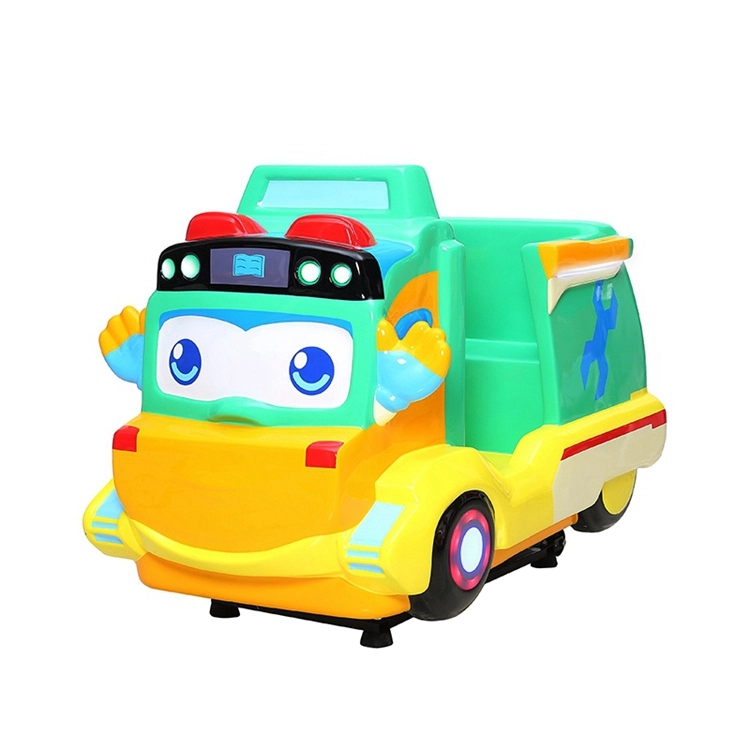
Kids Electric Swing Ride Commercial Amusement Game Machine
These durable electric swing rides are ideal for amusement parks and family entertainment centers. Safe, simple to operate and long-lasting, they are great commercial amusement equipment for sale.
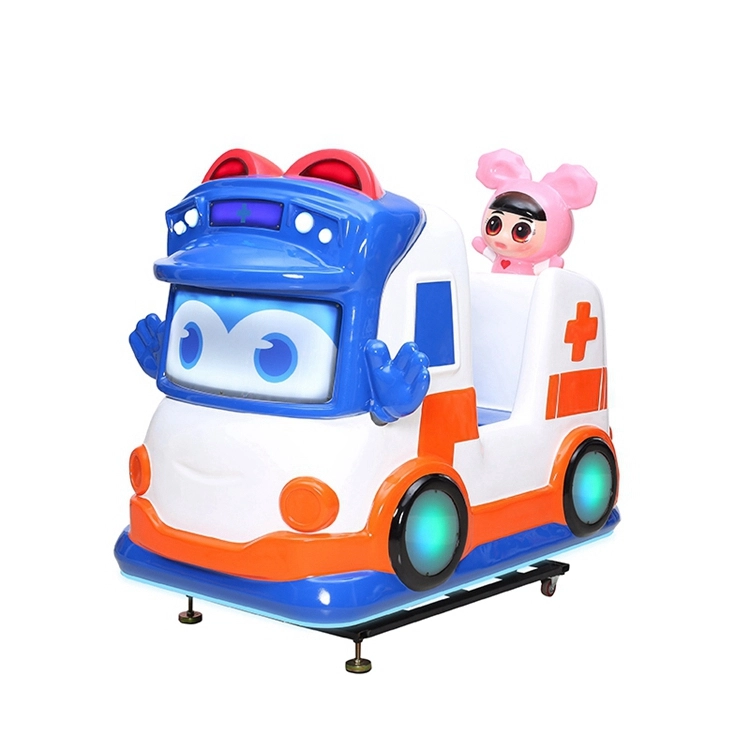
Indoor Supermarket Coin Operated Kids Amusement Ride Machine
These durable coin-operated indoor amusement machines fit supermarkets and family venues perfectly. They integrate video content and fun movements to delight kids and effectively draw more visitors.
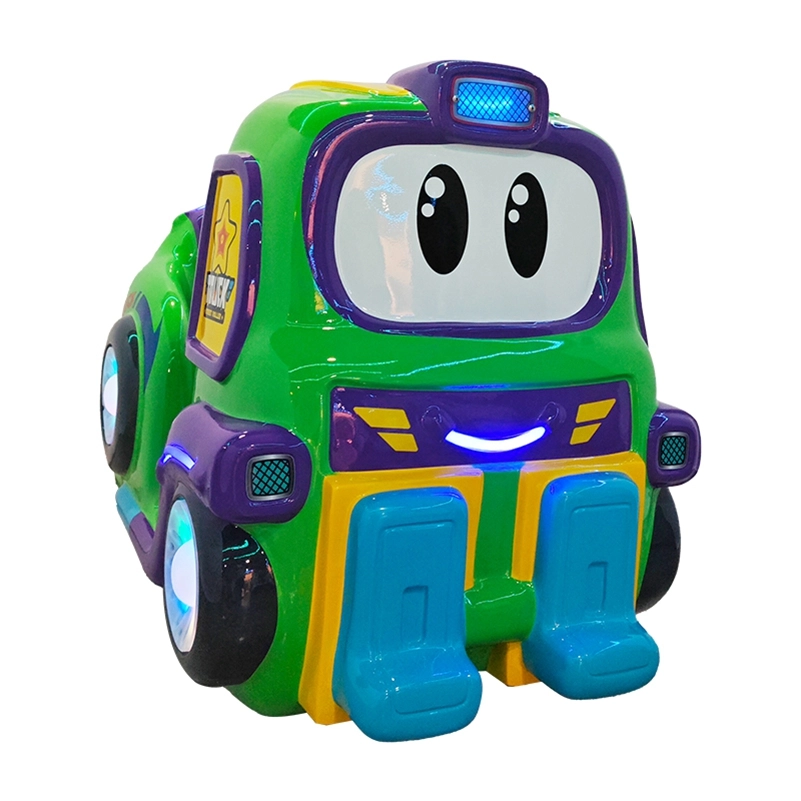
Children Coin Operated Swing Car Engineering Team MP5 Arcade Equipment
This coin-operated electric MP5 swing car is suitable for amusement parks and kids' play areas. Well-crafted and easy to use, it provides safe and enjoyable rides for young children.
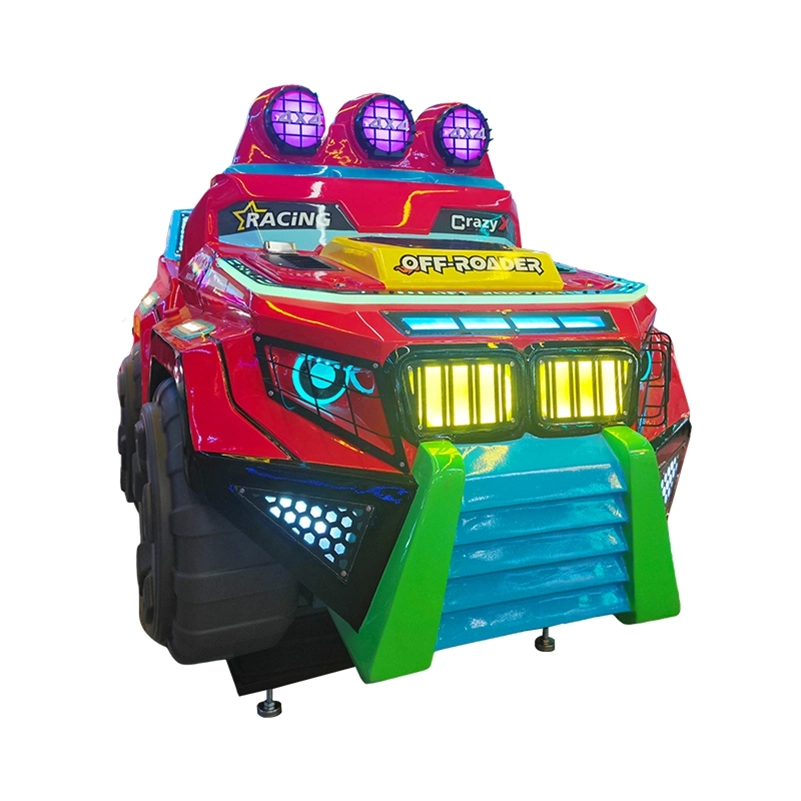
New Design Coin Operated Swing Machine Indoor Commercial Kiddie Ride
This newly designed coin-operated kiddie swing machine is built for indoor commercial use. It is easy to install and runs reliably, providing safe and entertaining fun for children in arcades and amusement parks.
Leave a message
Contact us

info@marwey.com

+86 189 2218 4260

101, Bldg. A, No. 501, Shixin Road, Dalong Street, Guangzhou, Guangdong, China
Quick Links
Kiddie Ride
Marwey Amusement
marwey_arcade
Marwey
Arcade Marwey
Whatsapp: +8618922184260