Resources
Welcome to our resources center for kiddie rides and amusement equipment. Here, you will find useful guides, industry insights, and practical tips to help you better understand the kiddie rides business.
Whether you are looking to start a kiddie rides business, choose the right coin operated kiddie rides, or improve your amusement operations, our articles provide valuable information for beginners and experienced buyers.
We cover topics such as how to select profitable kiddie rides, market trends, cost analysis, and business strategies for shopping malls, amusement parks, and indoor playgrounds.
As a professional kiddie rides manufacturer, Marwey shares real industry experience to help you make informed decisions and grow your business successfully.
Explore our latest articles and feel free to contact us for professional advice and product recommendations.
What Safety and Quality Documents Should You Request for Commercial Kiddie Rides?
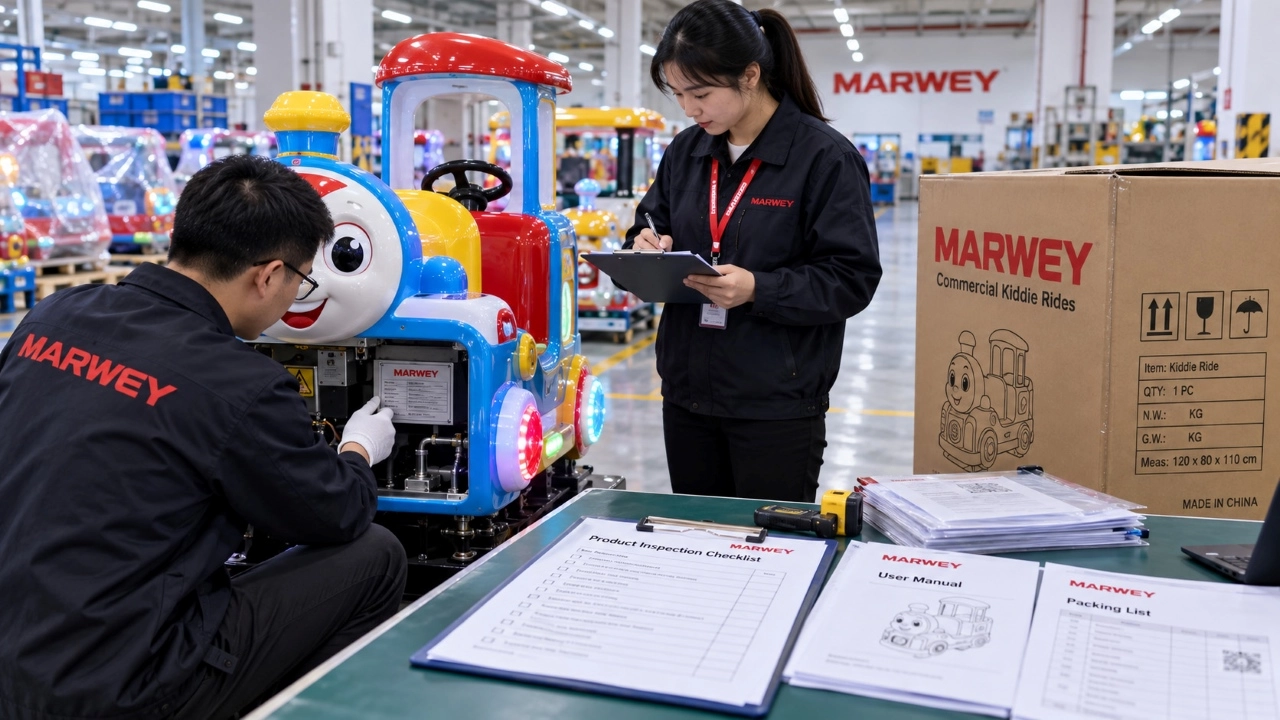
Commercial kiddie ride buyers should verify more than a supplier’s general safety claims. Each product should be matched with model-specific specifications, inspection records, applicable test or compliance documents, packing information, installation guidance and destination-market requirements before the order is finalized.
How Much Space Do You Need for a Kiddie Ride Area?
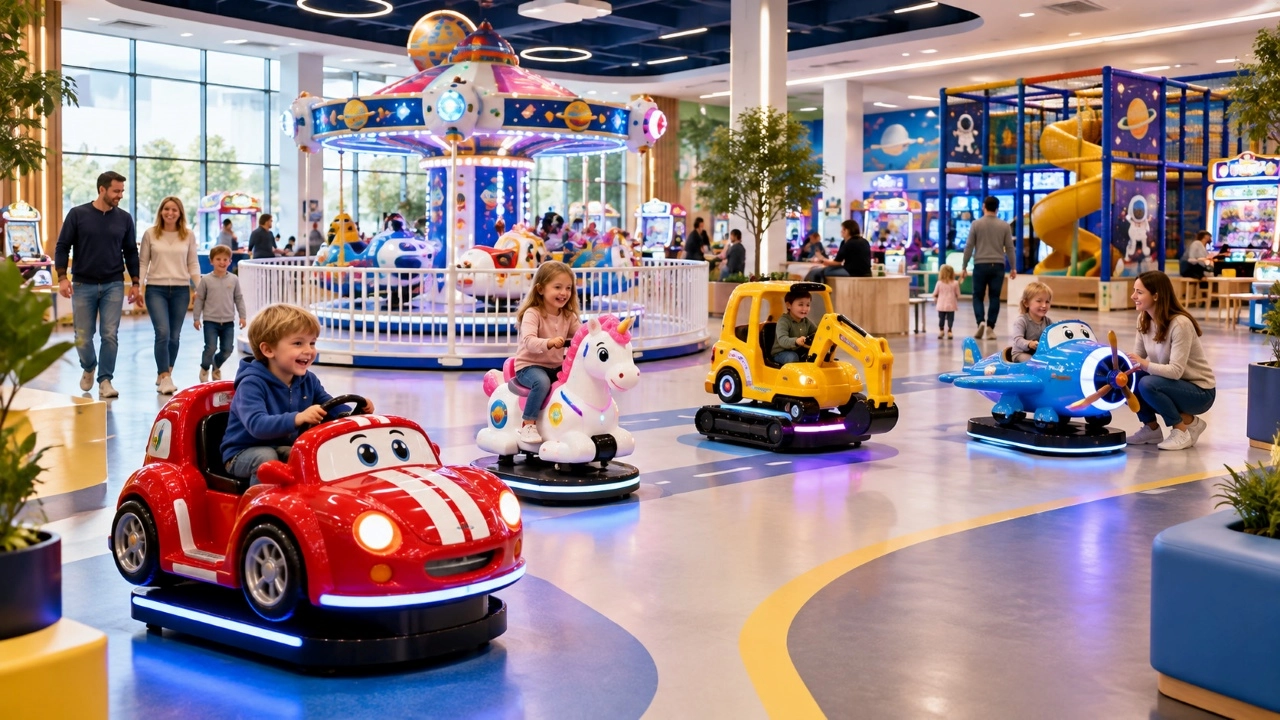
Kiddie ride space planning should include more than the machine footprint. Buyers also need to consider operating clearance, customer waiting space, access, power and circulation before choosing equipment. Small, medium and larger layouts can be used as planning examples, but the final arrangement should always be checked against the actual equipment and venue conditions.
Tea Cup Rides, Carousel Rides or Kiddie Trains: How to Select a Family Attraction
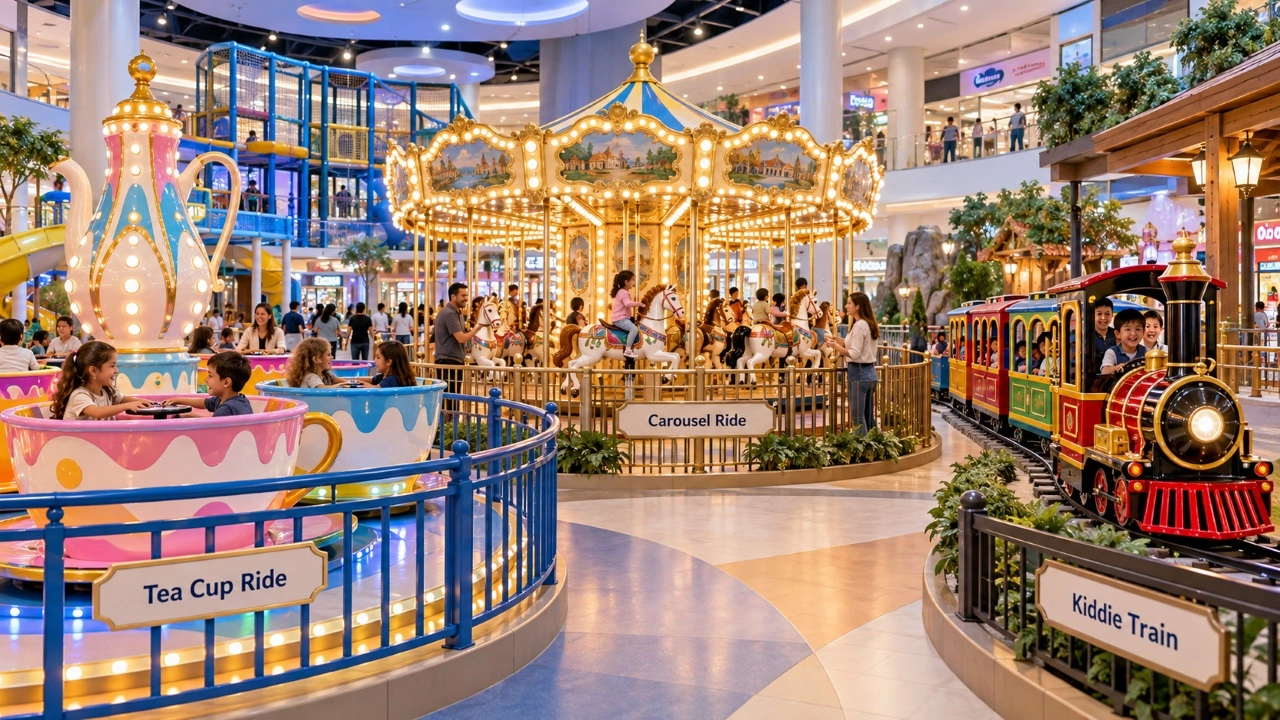
Tea cup rides, carousel rides and kiddie trains serve different roles in a family entertainment project. Tea cup rides focus on rotating interaction, carousel rides create a classic visual centerpiece, while kiddie trains depend more heavily on route planning and available space. The right choice should begin with the venue layout and operating model.
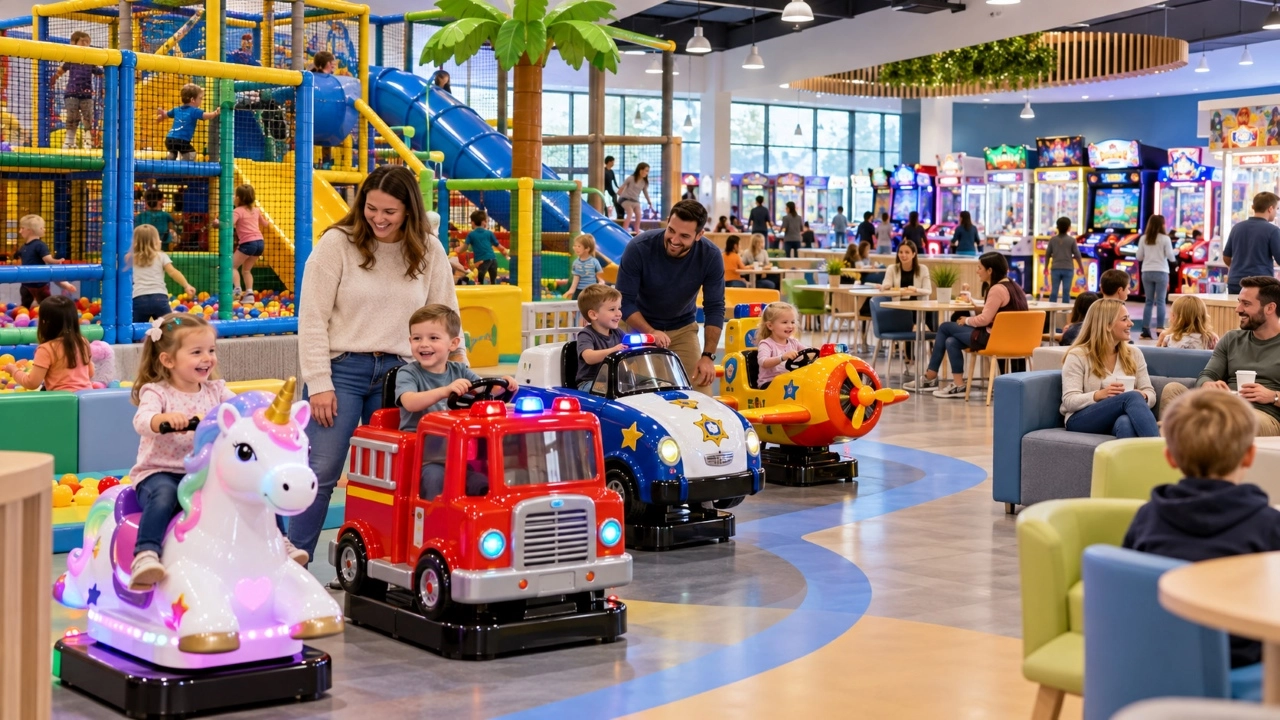
Best Kiddie Rides for Indoor Playgrounds and Family Entertainment Centers
Choosing kiddie rides for an indoor playground or FEC requires more than comparing product appearance. Operators should consider available space, customer flow, visibility, cleaning, maintenance and how each ride complements the venue's existing attractions.
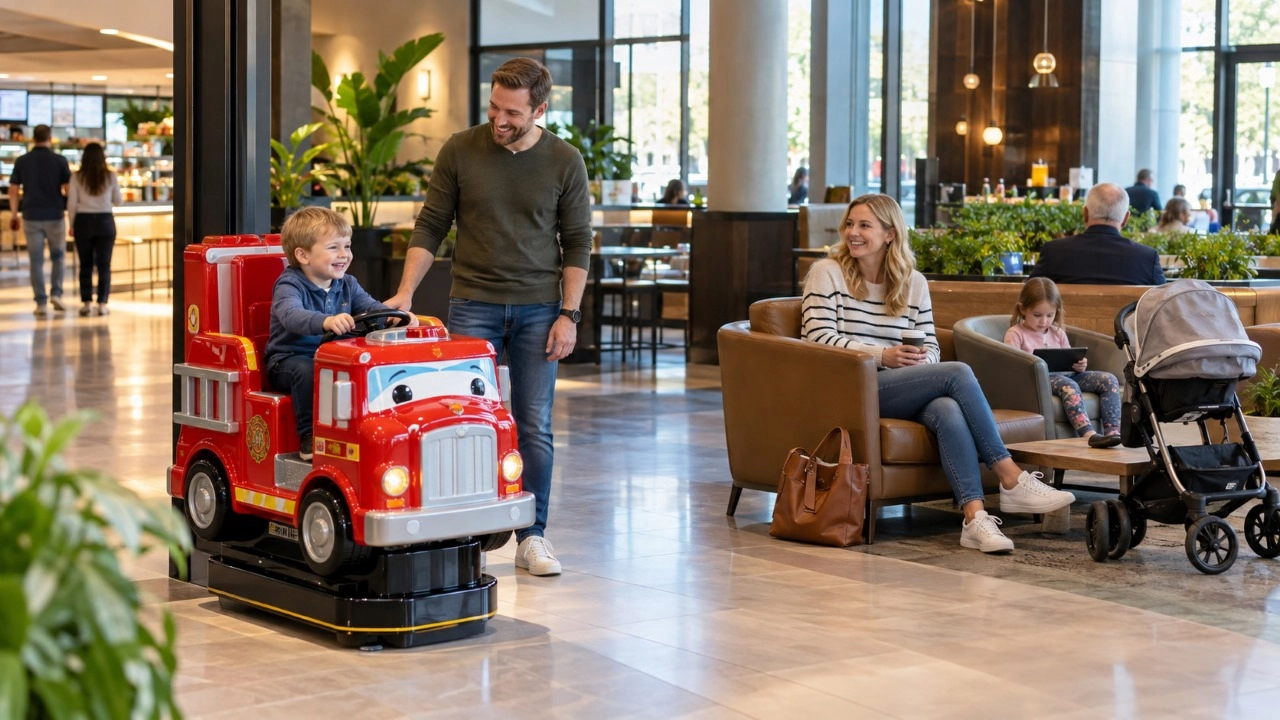
How to Plan a Kiddie Ride Area for a Supermarket, Hotel or Family Restaurant
Supermarkets, hotels and family restaurants need a different kiddie ride strategy from dedicated amusement venues. Compact equipment should fit naturally into customer waiting or family areas without blocking circulation, creating cleaning difficulties or interfering with the main business.
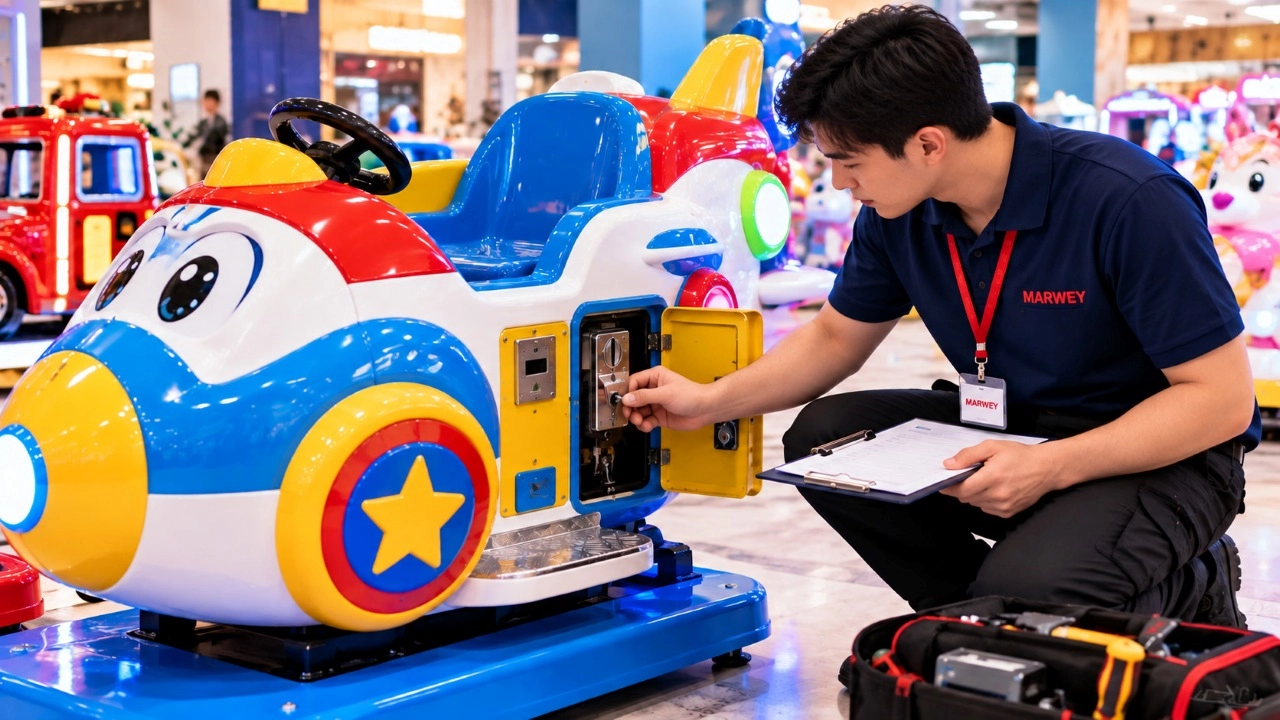
Kiddie Ride Maintenance Checklist for Daily Commercial Operation
Kiddie ride maintenance should not begin only after equipment fails. Commercial operators should build routine inspection, cleaning, operating observation and maintenance records into daily venue management, while following the product manual and applicable local requirements.
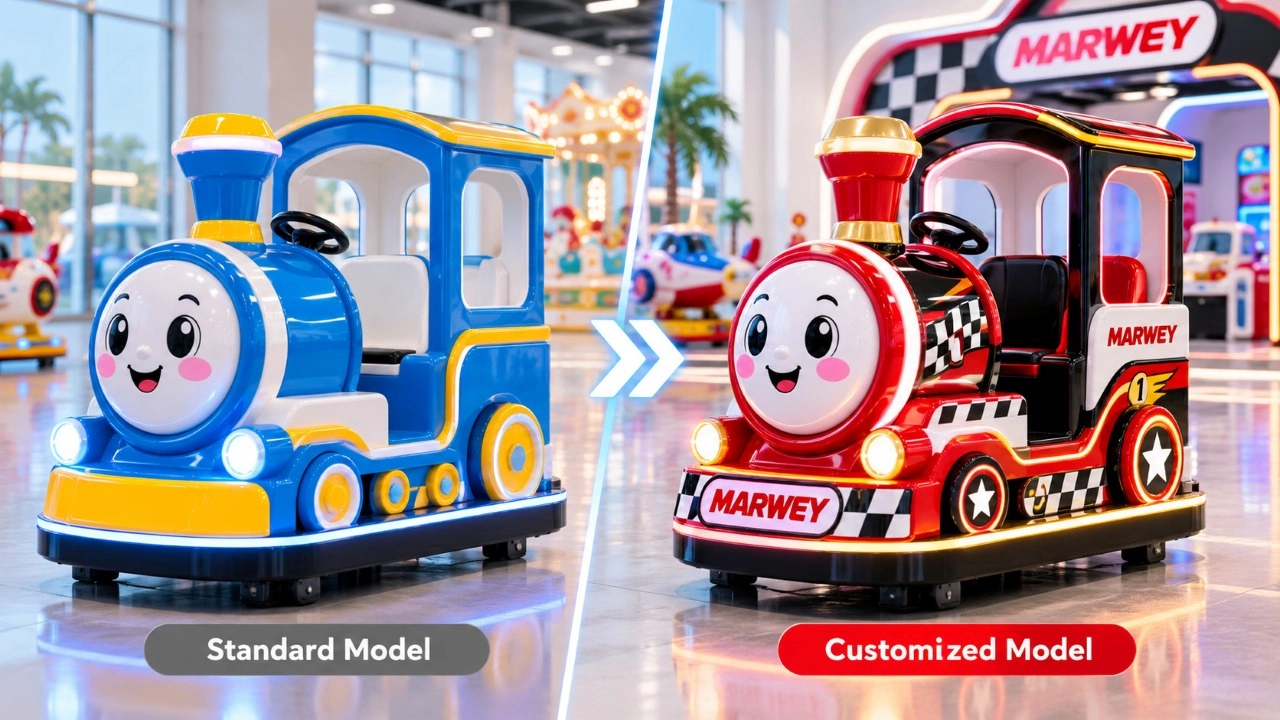
OEM and ODM Kiddie Rides: What Can Be Customized?
OEM and ODM kiddie ride projects can involve appearance, branding, dimensions, functional configuration and complete venue concepts. Buyers should confirm each customization item in writing and review drawings, samples and production details before approving the final order.
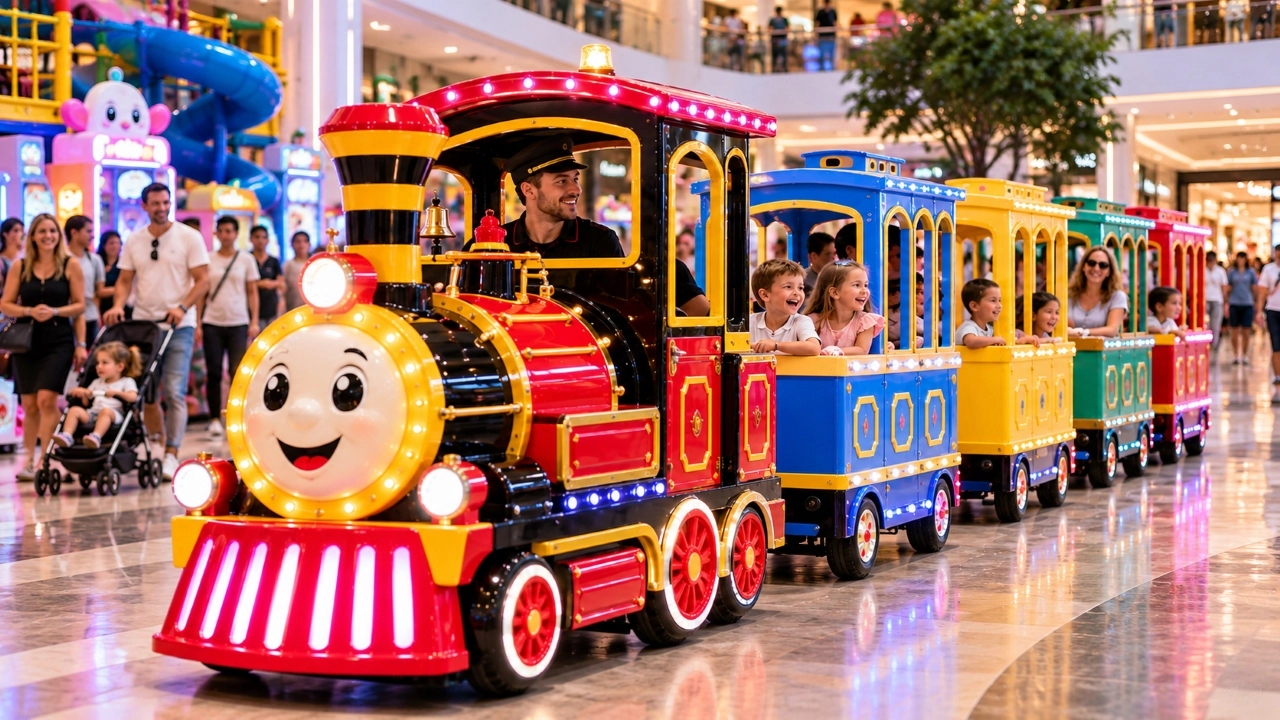
How to Build a Kiddie Train Ride Project for an Indoor or Outdoor Venue
A kiddie train project should be planned around the complete route, not only the train itself. Buyers need to confirm venue conditions, passenger loading points, turning areas, ground conditions, operating visibility, equipment configuration and delivery requirements before selecting the final train.
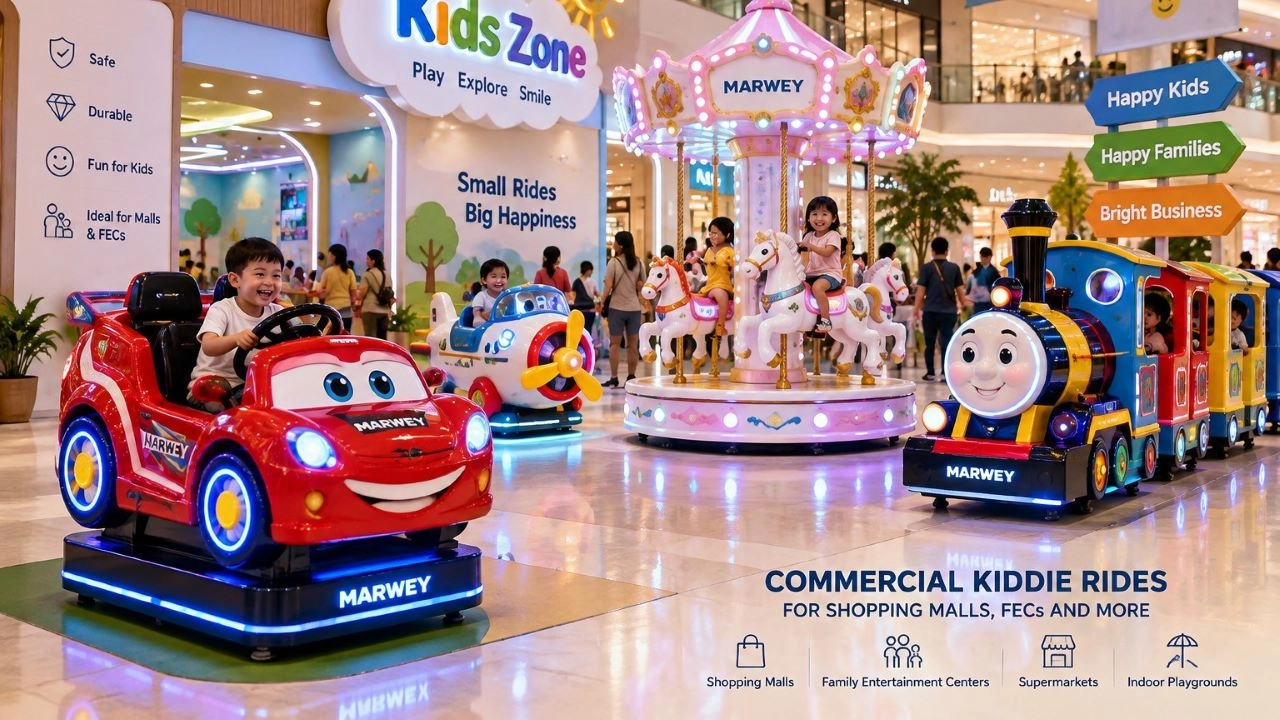
How to Choose Commercial Kiddie Rides for a Shopping Mall Kids Zone
Choosing commercial kiddie rides for a shopping mall starts with three practical questions: how much space is available, how families move through the area, and how the equipment will be operated. Compact coin-operated rides can suit smaller kids zones, while tea cup, carousel and train rides can be considered when the venue needs a stronger visual attraction and has suitable space.
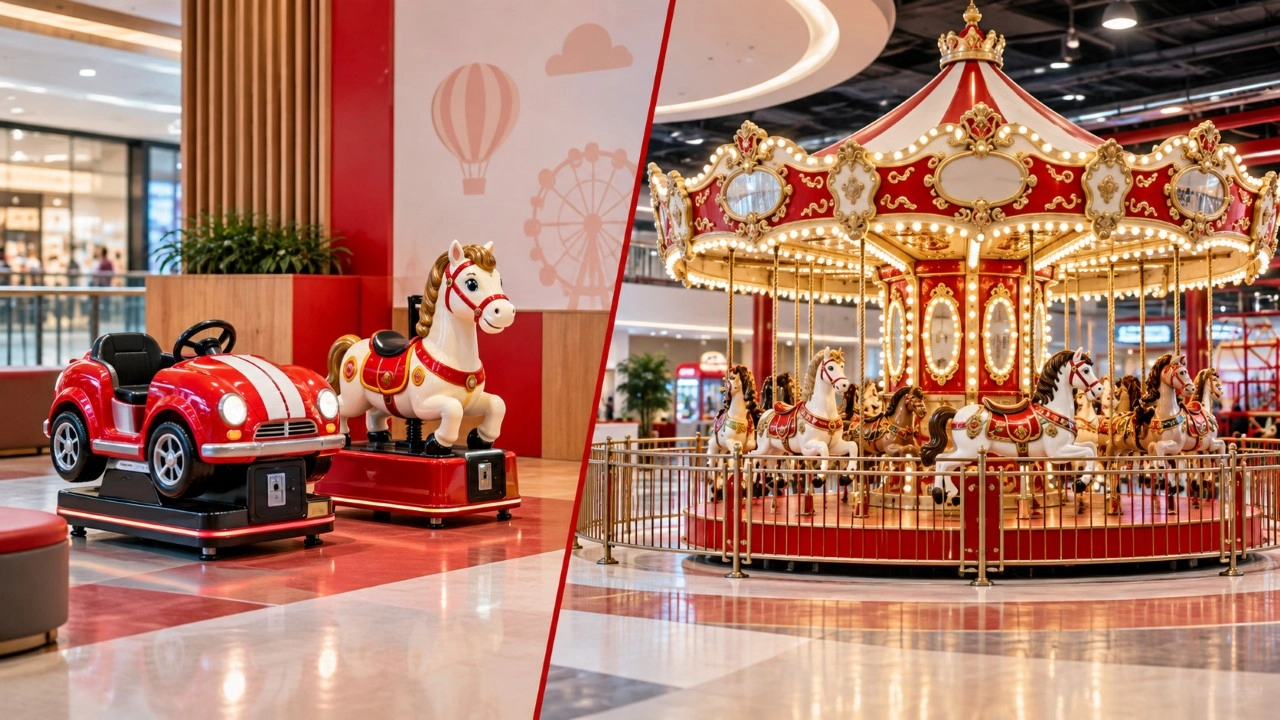
Coin Operated Kiddie Rides vs. Larger Attractions: Which Model Fits Your Venue?
Coin operated kiddie rides and larger attractions serve different stages of a commercial amusement project. Compact pay-per-play rides can support smaller venues and phased testing, while carousel and train projects usually require more complete planning for space, installation, staffing and ongoing operation.
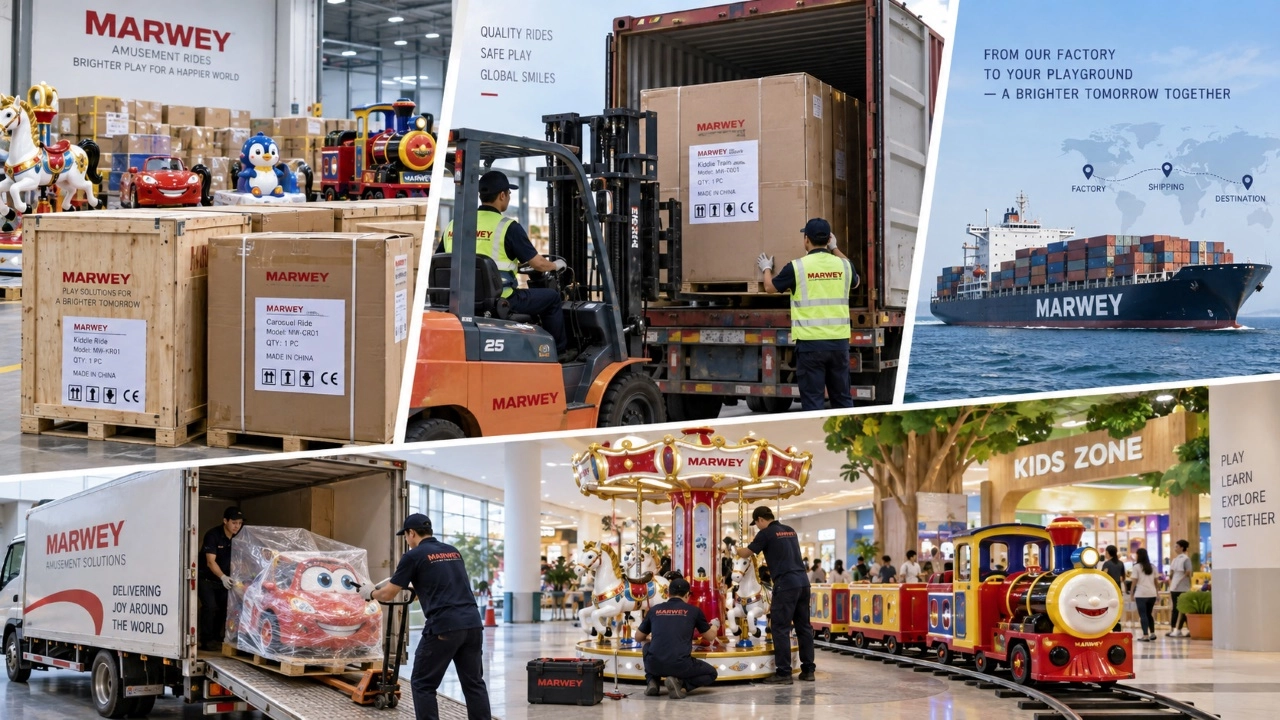
How to Import Kiddie Rides: A Buyer Checklist from Quotation to Installation
Importing commercial kiddie rides requires more than choosing a product and arranging freight. Buyers should confirm product specifications, customization, packing, shipping documents, local import requirements, installation preparation and after-sales support before the equipment leaves the supplier.
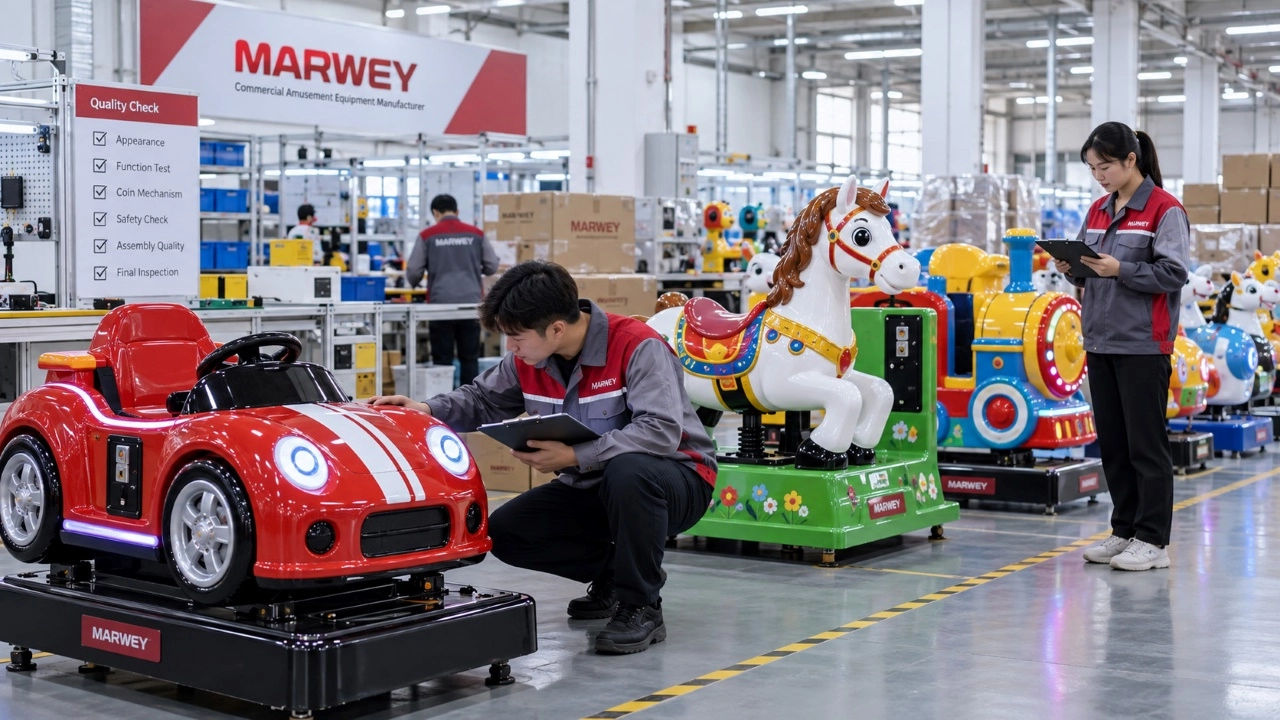
What to Check Before Buying Coin Operated Kiddie Rides from a Manufacturer
Choosing a coin operated kiddie ride manufacturer requires more than comparing unit prices. Buyers should review the supplier's manufacturing background, product information, quality process, customization workflow, packing, spare parts, delivery preparation and after-sales support before placing an order.
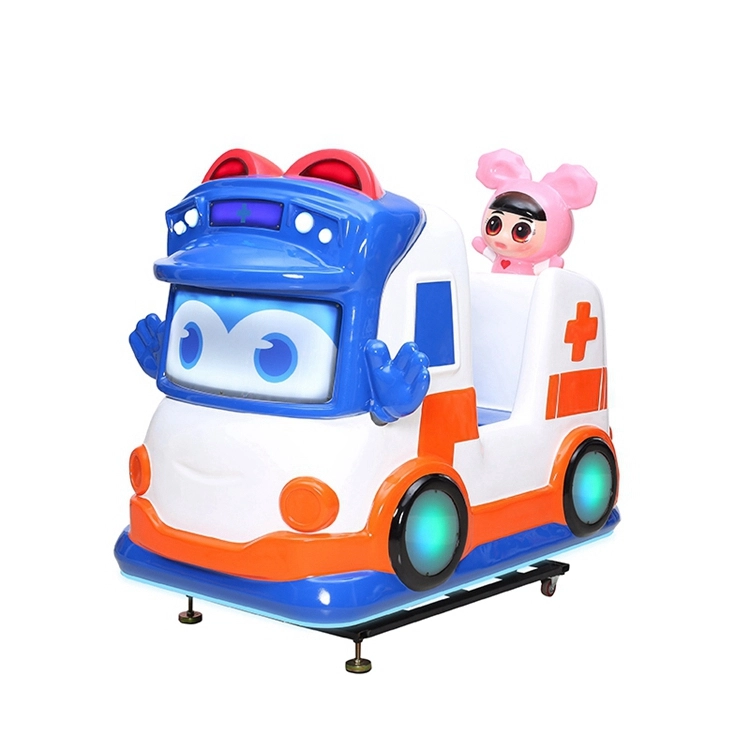
Indoor Supermarket Coin Operated Kids Amusement Ride Machine
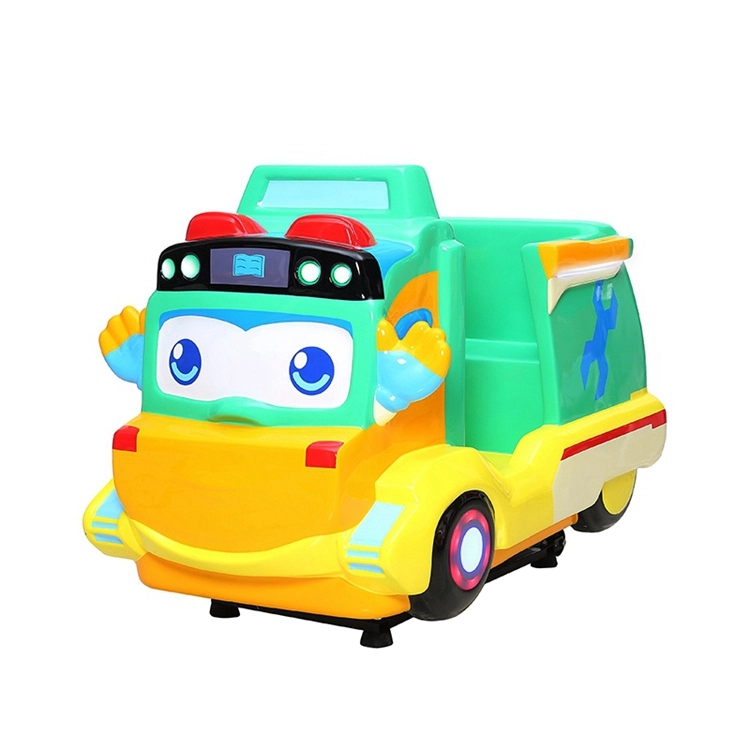
Kids Electric Swing Ride Commercial Amusement Game Machine
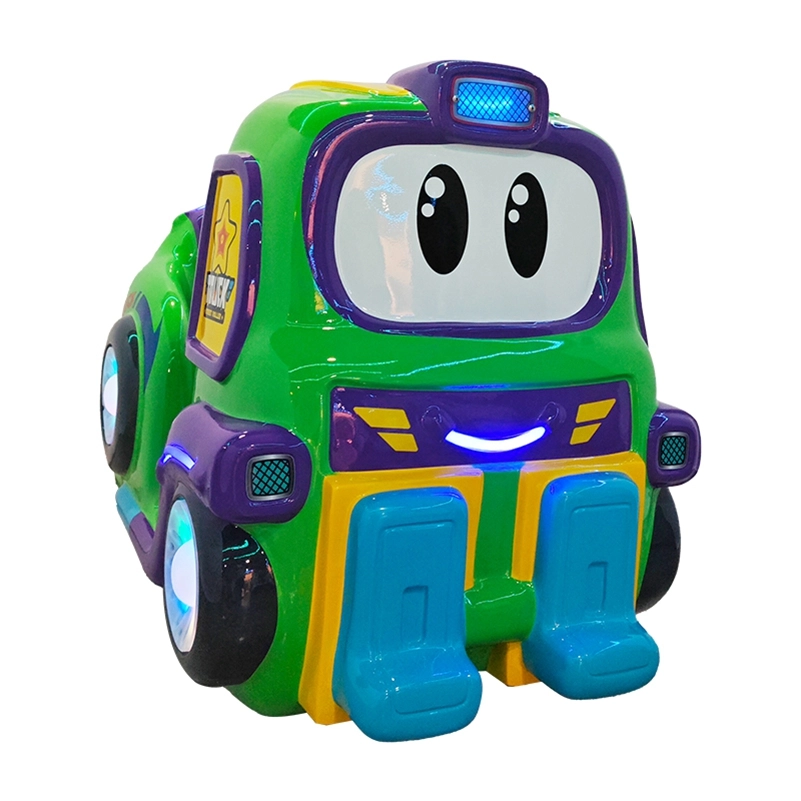
Children Coin Operated Swing Car Engineering Team MP5 Arcade Equipment
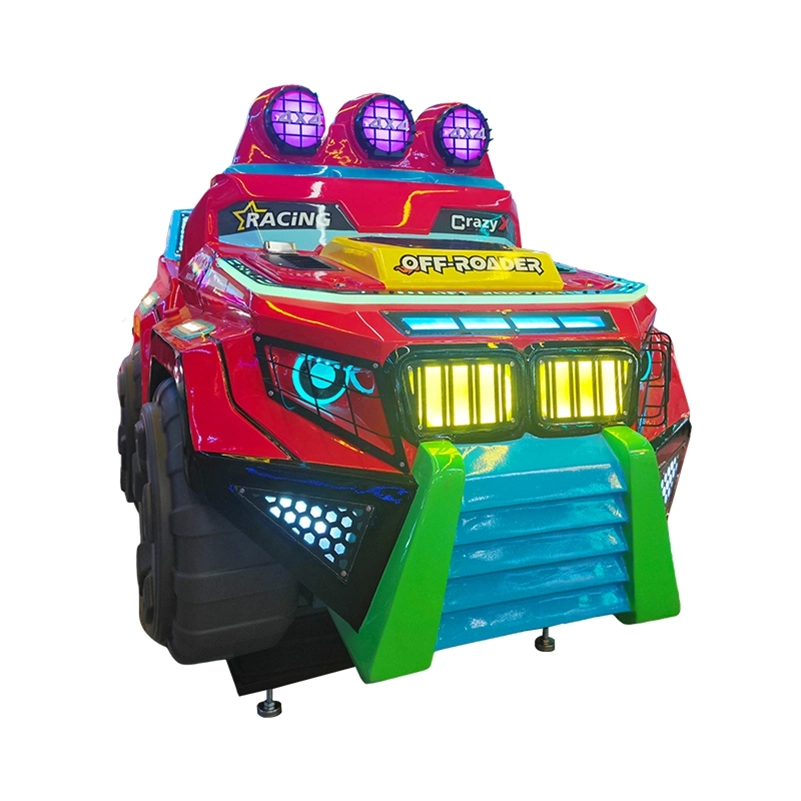
New Design Coin Operated Swing Machine Indoor Commercial Kiddie Ride
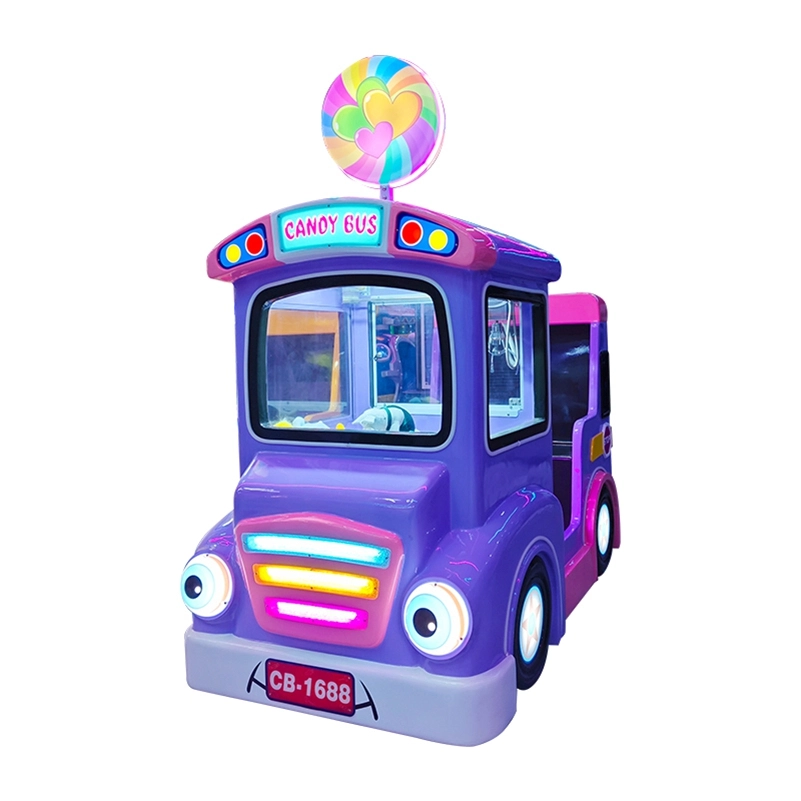
Personalized Coin Operated Combo Machine Swing Car Claw Catcher for Kids
Leave a message
Contact us

info@marwey.com

+86 189 2218 4260

101, Bldg. A, No. 501, Shixin Road, Dalong Street, Guangzhou, Guangdong, China
Quick Links
Kiddie Ride
Marwey Amusement
marwey_arcade
Marwey
Arcade Marwey
Whatsapp: +8618922184260